
9 ways schools can get the most out of their school uniform provider
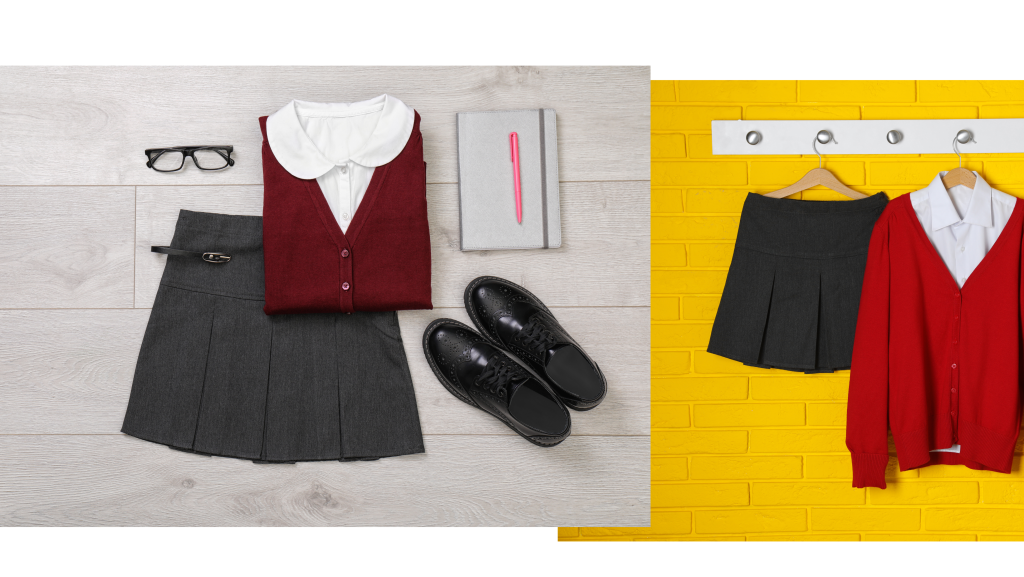
School uniform providers can offer a lot more than quality, sustainably sourced uniform.
As a school manager, you’re likely concerned with price, materials and ethics when researching school uniform providers. But there are many companies that have unique selling points that can add value to school managers, students and parents.
Building a relationship with a school uniform supplier can help develop a school’s reputation and its offering to its students.
Talk to the main point of contact from your uniform supplier and discover if they can benefit the school in any other ways.
How to build a relationship with your supplier
Of course, any good supplier will be offering their help and alerting you to their USPs as often as they can to ensure you remain a loyal customer. However, it may just be that there are some lines of communication that haven’t been explored yet.
Your supplier should be familiar with your school’s ideals and standards. If you’re unsure whether they are or not, keep them updated about the school. This could be as simple as subscribing them to your newsletter mailing list.
Foster open lines of communication with the uniform supplier. It may be that your provider has tried to get in touch to give you an update on their service, but they’re understandably not at the top of your priority list. But try to engage in regular meetings and be responsive to any communication from them.
With regular, consistent communication, your supplier can have a deeper understanding of how you run your school. This will help them to provide real value.
Ultimately, a uniform supplier should be making the effort with school managers and engaging with the school. But, if you don’t think that’s happening, you can try to reopen those lines of communication, or research new school uniform providers.
Ideas for school managers to make the most out of their relationship with their school uniform provider
1. Follow the Gatsby Benchmark
The Gatsby Benchmark is a guide of eight benchmark aims for schools to follow. To bridge the gap between education and work, it suggests schools should offer their students:
- A stable careers programme
- Opportunities to learn from careers and labour market information
- The addressing of their individual needs
- Links between curriculum learning and careers
- Encounters with employers and employees
- Experiences of workplaces
- Encounters with further and higher education
- Personal guidance
As key players in the everyday at many schools, school uniform providers can follow this guidance and add value for students. Some will offer work placements, take part in educational workshops, give talks to students, and collaborate on school projects. Ask your supplier if they’re familiar with The Gatsby Benchmark.
2. Trend spotting
Uniform suppliers are informed about trends in school uniforms and can suggest changes when necessary. This might involve updating designs or introducing new materials that align with evolving preferences and industry standards. Working closely with school uniform providers allows schools to stay up-to-date with the latest trends. By understanding the changing needs of schools and students, providers can develop new products or introduce innovative features in their uniforms.
3. Assign student ambassadors
School managers can select student ambassadors from to represent their uniform supplier’s brand. These ambassadors can be involved in promotional activities, such as participating in photoshoots or fashion shows, sharing their experiences with the uniform, and acting as liaisons between the provider and the student community, giving them an added edge to their CVs. Engaging with schoolm managers allows uniform providers to involve students in the uniform selection process, design competitions, and other activities. This empowers students, giving them a sense of ownership and involvement in their school attire. By incorporating student input, providers can create uniforms that better reflect the preferences and needs of the student community.
4. Educational workshops
Organising educational workshops or seminars on topics related to the textile industry can be an engaging way to involve students. Your school uniform provider could be happy to provide workshops which cover areas such as design, manufacturing, and sustainable practices. Students can learn about the different aspects of the uniform production cycle and gain a deeper understanding of the industry.
5. Offer work experience
School uniform providers can collaborate with schools to offer work experience opportunities for students. This can involve providing students with hands-on experience in various aspects of the uniform production process, such as design, manufacturing, marketing, or customer service. Students can gain valuable insights into the industry and develop skills relevant to their future careers. Ask your school uniform provider if they’re open to work experience opportunities.
6. Collaborate on projects
School managers can collaborate with uniform suppliers and students on social projects that align with their values and goals. This can involve initiatives such as donation drives for underprivileged students, fundraising for educational causes, or community outreach programmes. By engaging in such projects, schools can demonstrate their commitment to social responsibility and encourage students to participate actively.
7. Promote sustainable initiatives
Sustainable practices can include using eco-friendly materials, implementing recycling programmes for old uniforms, or supporting initiatives related to ethical sourcing and production. Providers can collaborate with students to raise awareness about the environmental impact of the textile industry and involve them in sustainability-focused campaigns. Schools are increasingly emphasising environmentally friendly practices and ethical sourcing. By collaborating with school uniform providers on initiatives such as sustainable materials, recycling programmes, or social projects, schools can align themselves with the values of the education community.
8. Surveys and feedback
Encourage your uniform supplier to conduct surveys or focus groups to gather feedback from students about their preferences, comfort, and design choices. This allows students to have a voice in the uniform selection process and helps the provider understand the needs and wants of the student community better. This feedback can be invaluable for improving the design, functionality, and comfort of uniforms. By understanding the needs and preferences of the school community, providers can tailor their offerings to better meet those requirements.
9. Long-term contracts and relationships
Establishing long-term contracts and relationships with uniform suppliers can be beneficial for both parties. It provides stability, continuity, and a deeper understanding of each other’s needs and expectations. Long-term partnerships also allow schools to negotiate better pricing, access loyalty benefits, and receive consistent support and service from the suppliers.
In conclusion
School managers can optimise their relationship with school uniform providers, ensuring a reliable and efficient supply of uniforms that meet the needs and expectations of the school community.
Engaging with suppliers benefits schools by ensuring high-quality uniforms that meet the school’s requirements. Meanwhile, it fosters a collaborative and long-lasting relationship, as well as offering students opportunities to develop their CVs.